YaMarkets • 2025-02-27

Forex trading requires a solid understanding of key concepts like currency pairs, pips, and leverage. The best way to learn forex trading is by breaking down these fundamentals and seeing how they impact your trades. Do you know how currency values are measured or why small price movements matter? Have you considered how leverage can affect both profits and losses? These essentials will help improve your confidence and avoid common beginner mistakes. Let’s explore each concept step by step so you can start trading with a clear strategy.
When you trade forex, you are always dealing with currency pairs. Unlike stocks, where you buy a single asset, forex trading involves exchanging one currency for another. Every trade you make is based on predicting whether one currency will strengthen or weaken against another. Have you ever checked exchange rates while traveling? That is the same concept at work in forex trading.
A currency pair consists of the base currency and the quote currency. The base currency is the first one in the pair, and the quote currency is the second. For example, in the EUR/USD pair, the euro is the base currency, and the U.S. dollar is the quote currency. If EUR/USD is priced at 1.1000, it means one euro is worth 1.10 U.S. dollars. Understanding how currency pairs work is essential before placing your first trade.
Currency pairs are divided into majors, minors, and exotics. Major pairs include the most traded currencies, like EUR/USD and GBP/USD. Minors involve less commonly traded currencies, while exotics include a major currency paired with one from a smaller or emerging economy. Which type of currency pair are you most interested in trading? Knowing the differences will help you choose the right opportunities in the market.
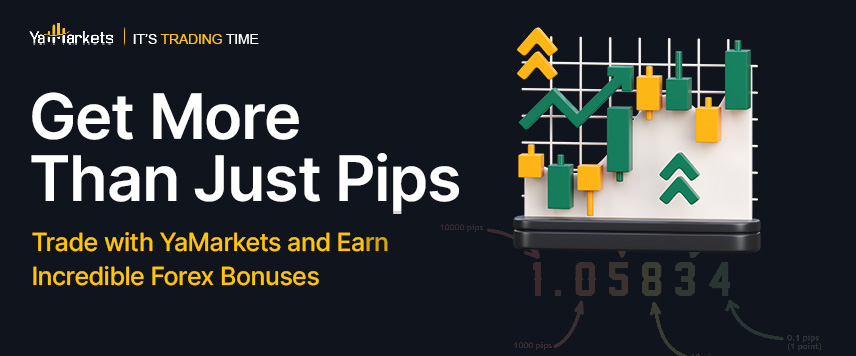
Now that you understand currency pairs, the next step is learning how their prices move. In forex trading, price changes are measured in pips. A pip, which stands for percentage in point, is the smallest unit of movement in a currency pair. Most currency pairs are quoted to four decimal places, so a one-pip movement is usually the fourth decimal place changing by one.
For example, if EUR/USD moves from 1.1000 to 1.1050, it has increased by 50 pips. Tracking pips helps you measure your profits and losses accurately. You will often hear traders talk about gaining or losing a certain number of pips. Understanding how pips work is essential for currency trading for beginners because it allows you to calculate potential earnings and risks before making a trade.
One of the best ways to learn forex trading is by practicing how price movements affect your trades. You can use a demo account to place trades and see how pips influence your gains and losses without risking real money. Also, practice calculating pips on different currency pairs. This will help you develop the skills needed to make informed trading decisions.
This is where things get exciting—and risky. Leverage allows you to control a large position with little money. Brokers like Yamarkets offer leverage like 50:1, 100:1, or even 500:1, meaning you can trade much more than you have in your account. For example, with 100:1 leverage, a $1,000 deposit lets you trade $100,000 worth of currency. If the market moves in your favor, you can make significant profits. But beware! Leverage magnifies losses, too. A small unfavorable move can wipe out your account if you’re not careful. So, managing leverage wisely is essential for long-term success.
Understanding currency pairs, pips, and leverage is essential for anyone starting forex trading. The best way to learn forex trading is by practicing with real market conditions and gaining hands-on experience. Yamarkets provides a reliable platform for currency trading for beginners, offering demo accounts, competitive leverage, and expert support. Are you ready to start your forex journey? Sign up with Yamarkets today and take your first step toward becoming a confident trader.

 AI
AI









.jpg)
.jpg)
.jpg)
2.jpg)


1.jpg)
.jpg)