YaMarkets • 2025-07-07

In this piece, we capture how your mind tricks you when trading in the stock market. The piece walks through the sneaky ways behavioural finance influences decisions, the emotional waves behind market bubbles, and how to stop falling into common trading traps. We show insights into patterns that lead traders to keep making the same mistakes and what you can do to outsmart these patterns. So let us dive right in.
Stock prices do not rise or fall only because of company fundamentals or market trends. Much of the movement comes from how people feel and react. A slight rumor about an earnings beat, a news headline, or even a social media post can set off a buying spree. This isn't randomness. It is rooted in how the brain processes information.
Cognitive biases, such as confirmation bias: a tendency to favor information that confirms existing beliefs or expectations, while dismissing or ignoring contradictory evidence, and overconfidence, appear more often than most admit. A trader might believe a stock is undervalued, and then keep searching only for articles that support that belief. That’s confirmation bias in action. Overconfidence leads someone to assume their instincts are stronger than market data. These behaviors add layers of volatility to markets, often without any new facts on the table.
When thousands of individual investors act on similar emotional impulses, stock prices swing far more wildly than earnings reports alone would justify. The illusion of control also plays a role. A person buys a stock and then watches it every day, thinking their attention alone can influence its success. Psychology matters more in these situations than people like to believe.
Crowds can move mountains in the market, but they can also dig deep holes. Herd mentality, one of the most potent forces in behavioural finance, emerges when traders look sideways at what others are doing instead of looking straight at the data. This leads to market bubbles, followed by sharp crashes.
Think about the dot-com boom or the cryptocurrency surge. Prices soared, not always because of improved technology or strong revenue, but because others were buying and no one wanted to be left behind. The fear of missing out (FOMO) can be more convincing than an analyst’s detailed report. When people see a stock or asset moving upward, they often believe that movement will continue. Even rational investors start doubting their analysis. They buy into the hype. The crowd grows, prices inflate, and soon the asset is valued well above its true worth. Then, one trigger, perhaps a bad quarter or government regulation, sets off panic. Everyone rushes for the exit. That’s how bubbles burst.
By then, losses hit hardest for those who entered last. It’s no longer about research or strategy. It becomes emotion-driven chaos, driven by a need to act quickly and copy others.
Avoiding behavioral traps in trading takes more than knowledge. It requires consistent awareness of how your mind works under pressure. The first step is recognizing that everyone has biases. Awareness alone can reduce their power over your decisions.
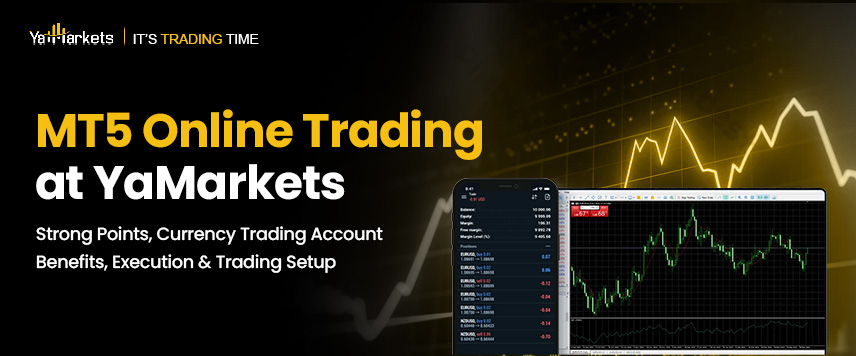
Start by building a rule-based strategy. Before entering a trade, decide when to exit. Create stop-loss and take-profit points. Don’t change them mid-trade because of emotion. Use tools like autotrading. Mt5’s autotrading can help to remove snap decisions from the trading process. When you automate your trades with pre-defined conditions, emotions get less say in what happens.
In addition, avoid anchoring bias by checking multiple sources before making a decision. Anchoring happens when one sticks to a specific number, often the purchase price of a stock. It clouds judgment when evaluating whether to sell. Accepting a slight loss can feel painful, but holding on based on emotion often leads to larger losses.
Also, don’t let recent outcomes influence your next move. This is the recency bias. A winning streak doesn’t mean the next trade will also win. Treat every trade as independent. Stick to the plan and refine it using past data. Use the right tools. Some of the best MetaTrader 5 expert advisors can help backtest strategies and monitor trading behavior. This turns blind spots into clarity. Journaling each trade helps, too. Write down why a decision was made, how it played out, and what emotion was felt at the time. Patterns emerge, and learning becomes possible.
Most importantly, take breaks. Step away when stress builds. A calm mind makes better choices. Trading under stress leads to revenge trading or doubling down on bad calls. That’s not strategy. That’s impulse taking the wheel.
Understanding the role of behavioural finance in your trading decisions is the first step toward building long-term success in the stock market. When you recognize how emotions, cognitive biases, and herd instincts shape your choices, you gain control over them. You can replace guesswork with strategy by staying aware, using structured trading plans, and integrating tools like autotrading MT5 and the best Metatrader 5 expert advisor. Smart trading isn't about predicting the market but mastering your reactions to it.
YaMarkets makes it easier for traders to face the mental traps they fall into. Their educational resources are designed for traders at every stage. Whether you're new or experienced, the lessons go deep into behavioural finance and how it influences decision-making. They break down the core reasons people tend to follow crowds, panic sell, or cling to a trade long after the signs say sell. More than theory, these resources offer practical techniques to break those patterns and trade smarter.
YaMarkets offers workshops, webinars, and detailed guides. You get hands-on access to strategy sessions that deal with emotional control and cognitive awareness in trading. YaMarkets empowers you to build systems that resist irrational decisions. Combined with smart tools like the best Metatrader 5 expert advisor and auto trading MT5, their educational content turns knowledge into results. Choose a platform that helps you outthink your own bias and make moves based on clarity, not emotion. Sign up with YaMarkets today.
 AI
AI








.jpg)
.jpg)
.jpg)
2.jpg)

1.jpg)
.jpg)